25 Proven Tips to Do Your Own Publicity and Get Noticed

Publicity is not reserved for celebrities, big companies, or people with a PR agency on speed dial. If you have a useful story, a clear message, and the patience to follow up well, you can earn attention on your own.
The trick is to stop “trying to get press” in a vague way. Good publicity comes from matching the right story to the right person at the right time. These 25 tips will help you do your own publicity with more confidence, less guessing, and better results.

Build a story people care about
1. Start with the reader, not yourself
Publicity is earned because it serves an audience. Before pitching anything, ask one simple question: why would someone who does not know me care?
A product launch alone may not be news. A product that solves a common problem, reflects a trend, or helps a specific community has a stronger chance.
2. Turn your announcement into a real angle
“I started a business” is usually too thin. “A former teacher created a tutoring service after seeing students fall behind” is stronger.
Look for tension, change, timing, human interest, local relevance, or a practical lesson. Reporters need a story, not a résumé.
3. Know your main message
If a podcast host, blogger, or reporter asks what you do, your answer should be clear in one or two sentences.
Avoid a long backstory. Say who you help, what problem you solve, and what makes the story timely or useful.
4. Make your story easy to summarize
A good publicity angle can be repeated accurately by someone else. Test it with a friend. If they can explain it back without confusion, you are close.
If they ask, “Wait, what is the point?” keep sharpening.
5. Collect proof before you pitch
Media outlets need confidence that your story holds up. Gather simple proof such as:
Customer comments
Before-and-after examples
Photos of your work
Community involvement
Personal experience
Clear results you can explain honestly
Do not inflate claims. Solid and specific beats exaggerated every time.
Prepare before you reach out
6. Create a simple media kit
A media kit does not need to be fancy. Put the essentials on one page or in one folder.
Include a short bio, a clear description of your work, a few high-quality photos, contact information, and links to past coverage if you have any. If you do not have past coverage, leave that part out.

7. Write a short bio in different lengths
Prepare a 25-word, 50-word, and 100-word bio. This saves time when someone asks for a quick introduction.
Keep it factual. Mention what you do, who you serve, and one detail that makes you memorable.
8. Get strong photos ready
Good visuals can help a story get picked up, especially for local newspapers, magazines, newsletters, and event listings.
Use clear, well-lit photos. Avoid busy backgrounds. Make sure you have permission from anyone shown in the image.
9. Build a targeted media list
Do not send the same pitch to hundreds of random contacts. Build a smaller list of people who already cover your topic.
Look for local reporters, podcast hosts, newsletter writers, trade publications, community calendars, radio producers, bloggers, and association editors.
10. Read before you pitch
Study what each outlet actually publishes. Notice the tone, article length, recurring columns, and types of guests.
A pitch to a local newspaper should not sound like a pitch to a niche podcast. Show that you understand their format.
11. Find the right contact
A great pitch sent to the wrong inbox often goes nowhere. Look for the person who covers your subject.
If you cannot find a named contact, use the general editorial email, but make the subject line specific so it can be forwarded easily.
Write pitches that get opened
12. Use a clear subject line
Your subject line should tell the recipient what the story is. Skip vague lines like “Amazing opportunity” or “You need to see this.”
Better examples include:
Local baker teaches families allergy-friendly holiday recipes
New book offers practical advice for first-time caregivers
Veteran-owned shop hosts free repair clinic this Saturday

13. Keep the email short
A pitch is not the full story. It is an invitation to learn more.
Aim for a few short paragraphs. Open with the angle, explain why it fits their audience, add key details, and offer yourself or someone relevant for an interview.
14. Personalize without overdoing it
One honest sentence can show you did your homework.
Mention a recent article, segment, or topic they cover. Then connect your idea to their audience. Avoid flattery that sounds copied and pasted.
15. Lead with what is timely
Timing gives a story urgency. Tie your pitch to a season, event, trend, anniversary, new data, local issue, or public conversation.
For example, a tax organizer has a stronger hook in January than July. A summer safety expert has a stronger hook before Memorial Day weekend.
16. Offer a useful expert angle
You do not always need to be the subject of the story. You can be a source.
Offer practical tips, commentary, or background on something people already care about. This is one of the easiest ways to earn your first quote or interview.
17. Make the next step simple
End your pitch with one clear offer.
You might write, “I’m available this week for a 15-minute interview,” or “I can send photos and a short bio if helpful.” Make it easy for the recipient to act.
Create your own momentum
18. Start local
Local media often care about community stories that national outlets would ignore. That makes them a smart starting point.
Try city magazines, neighborhood newspapers, local radio, public access shows, community blogs, library newsletters, and chamber publications.
19. Use events as publicity hooks
Workshops, charity drives, open houses, book signings, product demos, and free classes can all create reasons for coverage.
The event should offer real value. “Come buy from me” is weak. “Free bike safety checks for families before summer break” is much stronger.
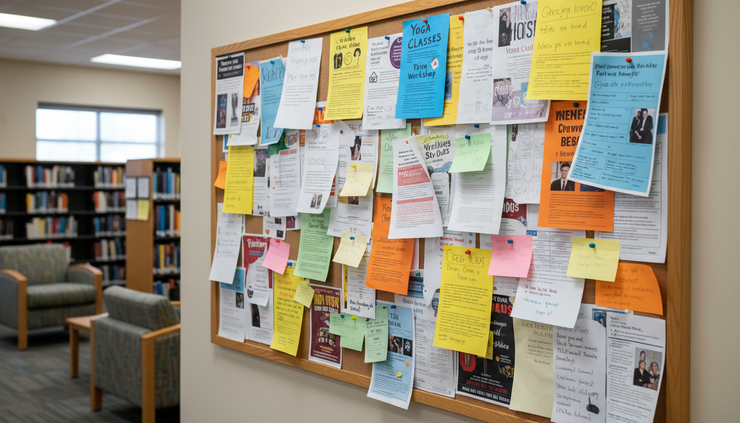
20. Partner with credible groups
A partnership can make your story more relevant. Team up with a nonprofit, school, library, neighborhood group, trade association, or local event organizer.
The best partnerships make sense to the audience and serve a shared purpose.
21. Be visible before you need coverage
Publicity works better when people have seen your name before. Comment thoughtfully on articles, attend public events, submit letters to editors, and take part in community discussions.
Do this as a real participant, not as someone constantly asking for attention.
22. Repurpose every win
One mention can become more than one moment. Share the article with your email list, add it to your website, quote a line in your media kit, and thank the writer publicly if it feels appropriate.
Past coverage makes future coverage easier because it reduces perceived risk.
23. Track your outreach
Use a simple spreadsheet. Include the outlet, contact name, topic, date pitched, response, follow-up date, and result.
This prevents awkward duplicate emails and helps you see what kinds of angles work best.
Follow up without being annoying
24. Send one polite follow-up
People miss emails. A short follow-up after several business days is reasonable.
Keep it brief. Restate the angle in one sentence, ask if it might be a fit, and offer to send more details. If you still get no response, move on.
25. Build relationships after the story runs
Do not disappear after you get coverage. Send a sincere thank-you. Share the piece. If a reporter or host needs help later, respond quickly.
Publicity is easier when you treat people like people, not one-time access points.
Common mistakes to avoid
Even a good story can fall flat if the approach feels careless. Watch for these mistakes:
Sending mass emails with no clear fit
Making claims you cannot prove
Writing long pitches that bury the point
Asking for coverage without offering value
Following up too often
Pitching stories that are really ads
Ignoring smaller outlets while chasing only national media
The best publicity feels useful to the audience first. Your visibility comes from that usefulness.

A simple publicity plan for your next 30 days
If you are starting from scratch, keep the plan simple.
Week 1
Clarify your story angle, write your short bio, gather photos, and create a one-page media kit.
Week 2
Build a list of 20 targeted contacts. Read their work and note why your idea fits.
Week 3
Send five personalized pitches. Start with the strongest local or niche outlets.
Week 4
Follow up once, track responses, adjust your pitch, and send five more.
Small numbers are fine if the quality is high. Consistent outreach beats a frantic burst once a year.
The real goal of doing your own publicity
Getting noticed is not about shouting louder than everyone else. It comes from being clear, useful, timely, and easy to work with.
Pick one story angle this week. Build a short list of people who might care. Send a thoughtful pitch. Then learn from the response and keep going.
That is how publicity starts: one clear story, one good fit, one professional follow-up at a time.
For more info: BestPRguy@gmail.com 310 920-2424 www.PublicityandMarketing.com


Comments